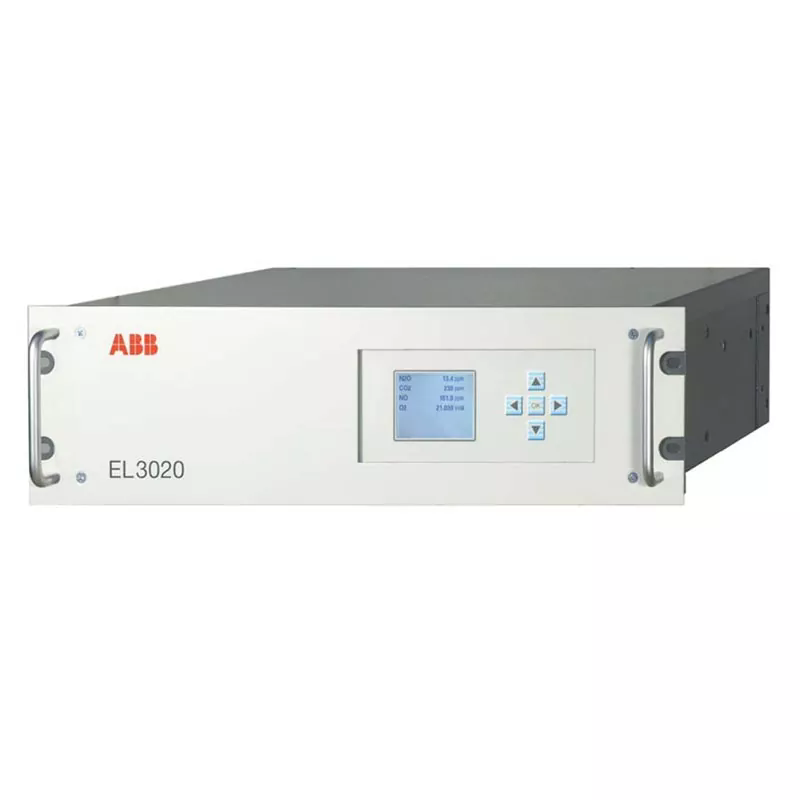
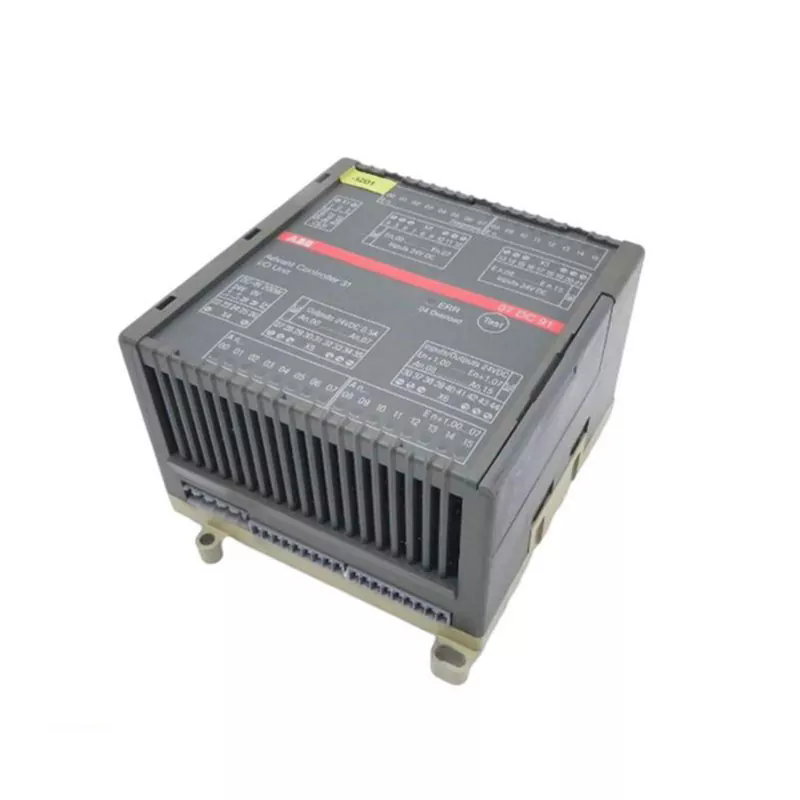
A procurement guide to ABB PLC for operations. Learn about modular architecture, communication protocols, and selection criteria from Yueyang Tongtu E-commerce Co., Ltd.
A procurement guide to network redundancy for ABB PLC systems. Learn how redundant network topologies prevent downtime and what to specify from Yueyang Tongtu E-commerce Co., Ltd.
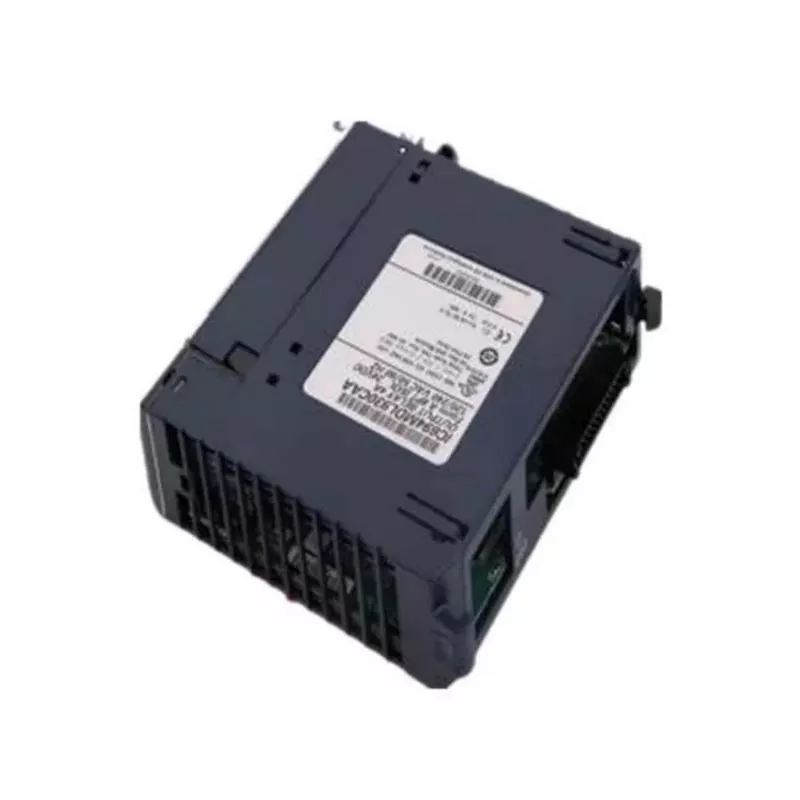
This article explores the technical architecture, integration capabilities, and operational reliability of the GE Fanuc IC752WFC555-EC, a PLC module engineered for GE Mark VI turbine control systems. It examines its role in power generation, industrial automation, and process control environments, offering practical guidance on installation, configuration, performance optimization, and long-term maintenance strategies. The discussion also addresses compatibility considerations and common fault resolution approaches for engineers and system integrators working with legacy GE control platforms.
Industrial automation procurement presents a persistent challenge: locating genuine, factory-original components for both active production lines and legacy systems that manufacturers no longer support. This article examines how a global sourcing specialist with more than two decades of commercial expertise addresses that challenge through verified supply networks, large-scale inventory, competitive direct-tier pricing, and worldwide logistics. From PLC modules and DCS spare parts to HMI panels and robotic system components, the discussion covers brand coverage, industry applications, and the end-to-end support model that keeps industrial operations running with minimal downtime.
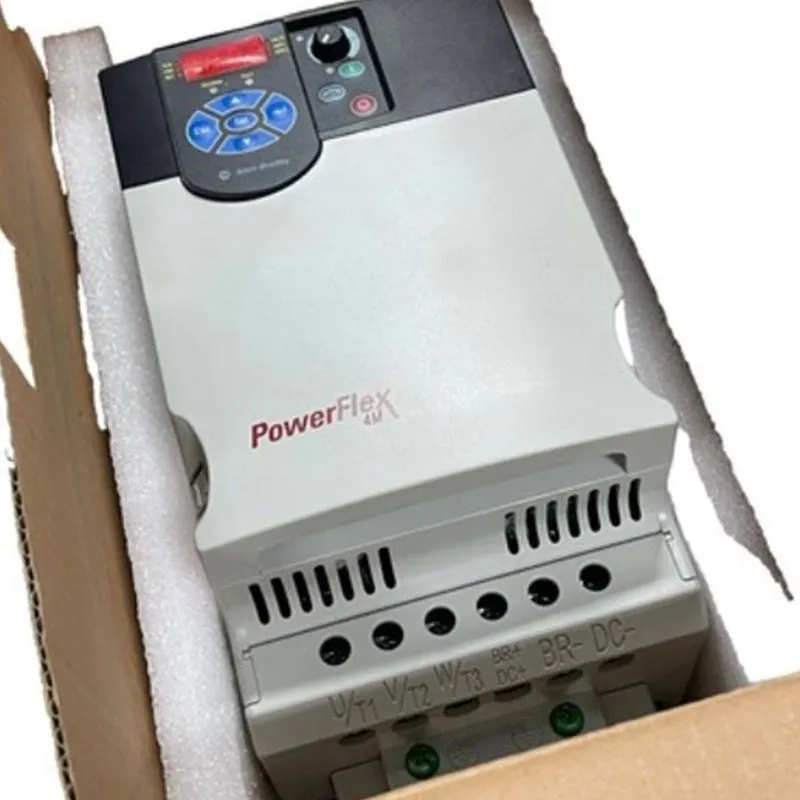
The Allen-Bradley 22C-D010N103 is a compact AC frequency converter engineered for variable speed motor control in industrial automation systems. With a 380V–480V AC input range, 10.0 A rated output current, built-in Ethernet communication, and USB offline configuration, it delivers straightforward integration with Rockwell Automation PLC platforms including ControlLogix and CompactLogix. This article examines the drive's technical architecture, communication capabilities, safety certifications, replacement procedures, and its role across industries ranging from CNC machining and automotive production to water treatment and petrochemical processing.
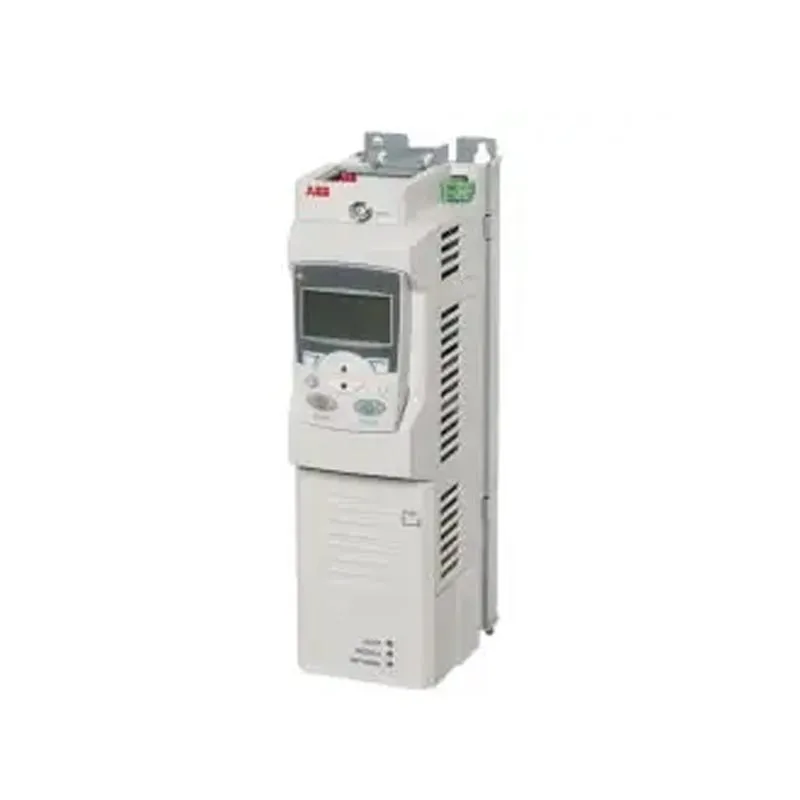
The ABB ACS850 stands as a purpose-built machinery drive designed to succeed the legacy ACS800 series, bringing Direct Torque Control (DTC) technology, built-in Safe Torque Off (STO) safety, and a compact bookshelf form factor to industrial applications ranging from cranes and extruders to conveyors and winders. This guide examines the drive's core hardware architecture, its position within ABB's low-voltage AC drive portfolio, the practical considerations for migrating from ACS800 installations, and the maintenance practices that extend service life in demanding factory environments. Whether evaluating a retrofit pathway or specifying a standalone heavy-duty drive, understanding the ACS850's capabilities and constraints enables informed engineering decisions.
We use cookies to offer you a better browsing experience, analyze site traffic and personalize content. By using this site, you agree to our use of cookies. Privacy Policy

 16 2026-10
 13 2026-10
 08 2026-10
 29 2026-09
 29 2026-09
 29 2026-09