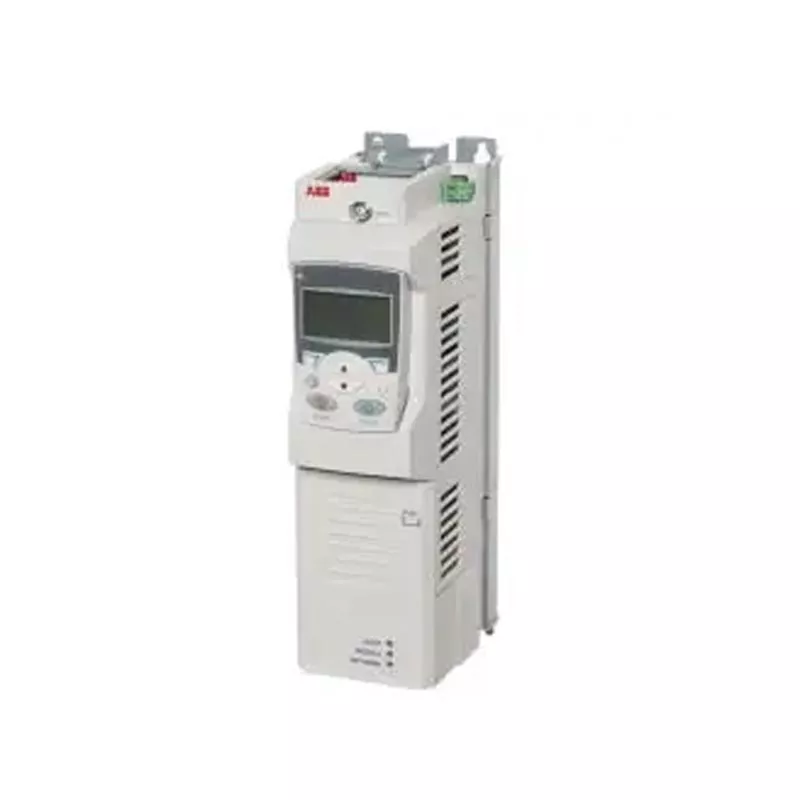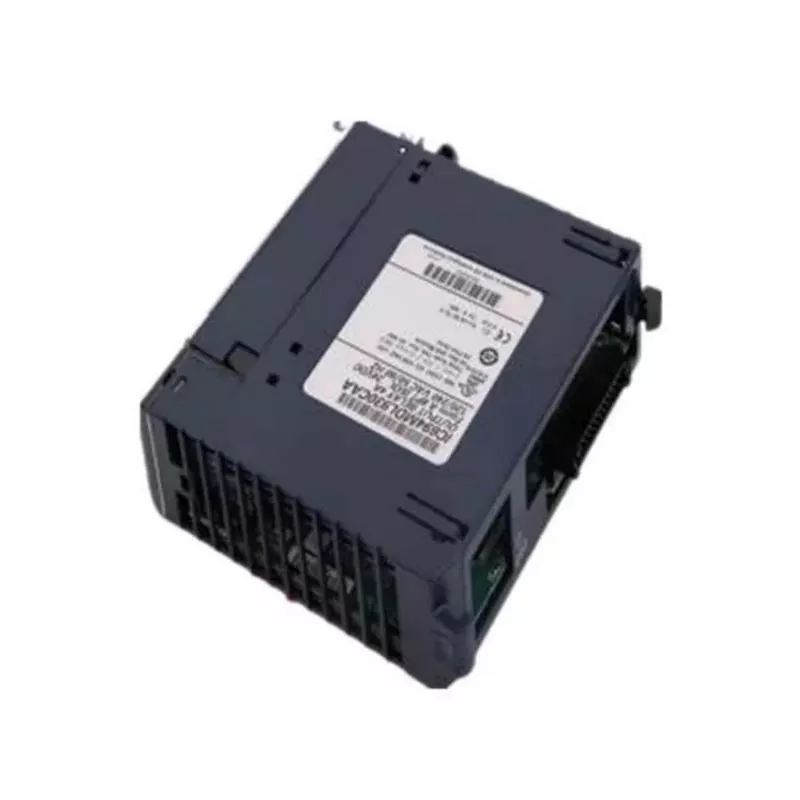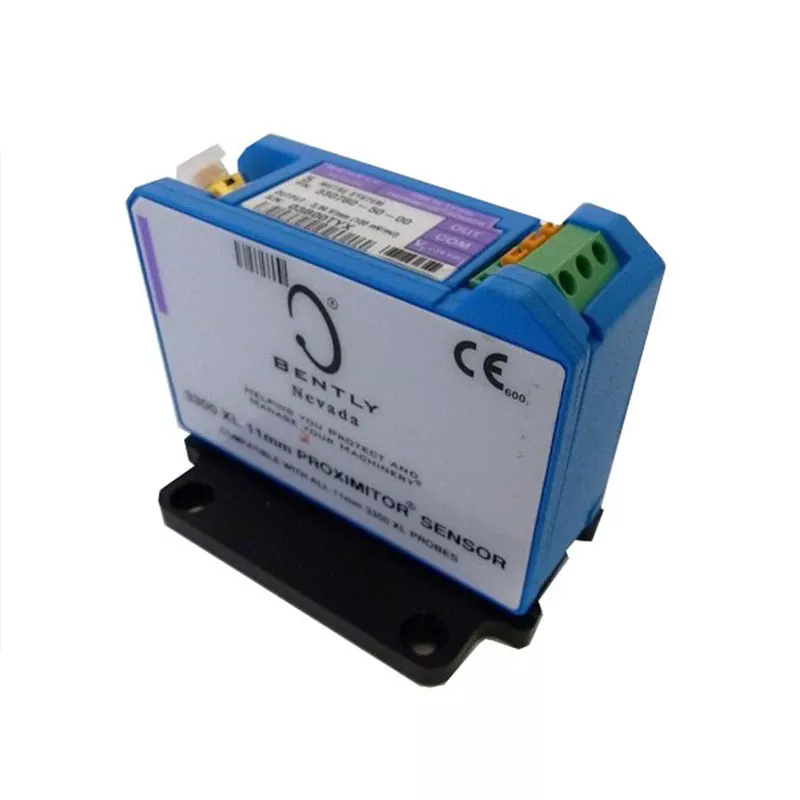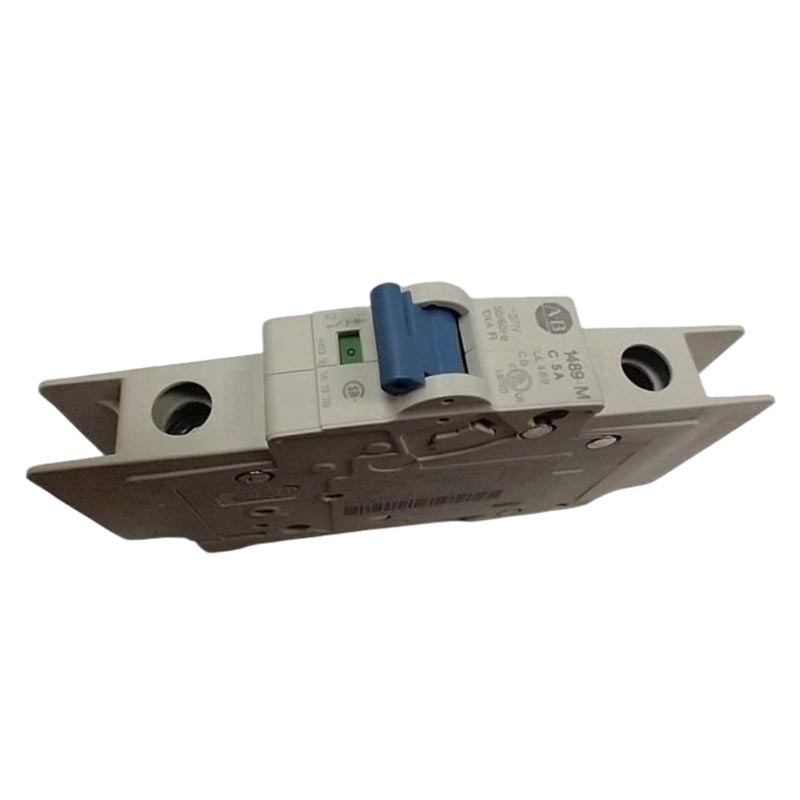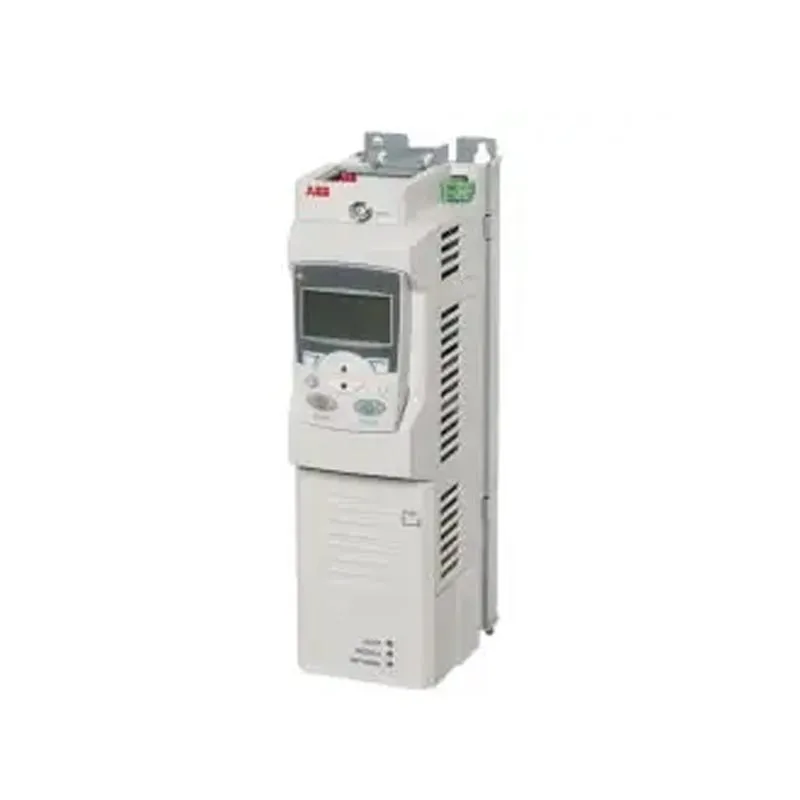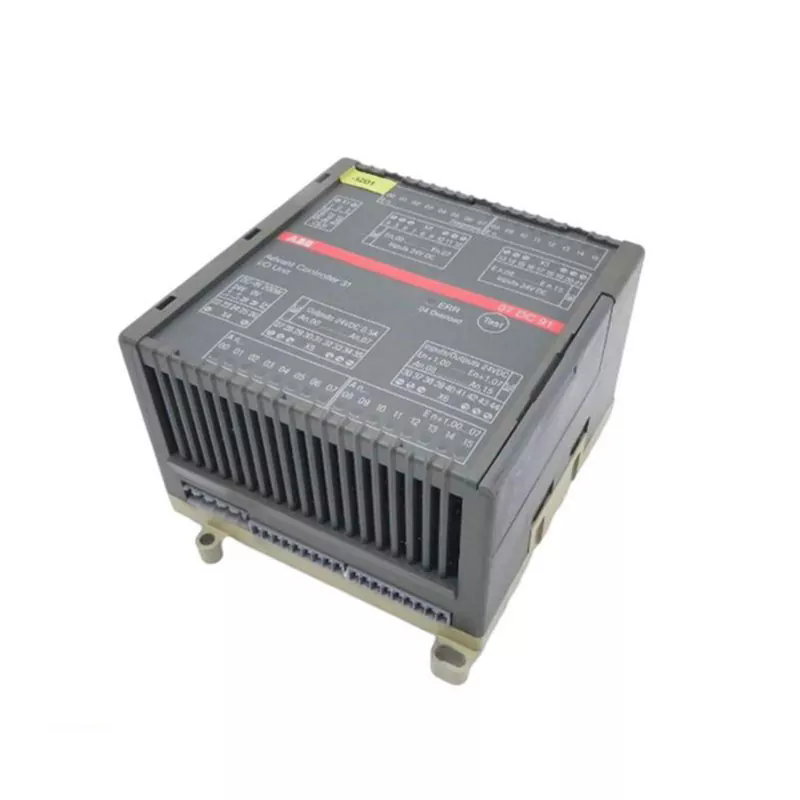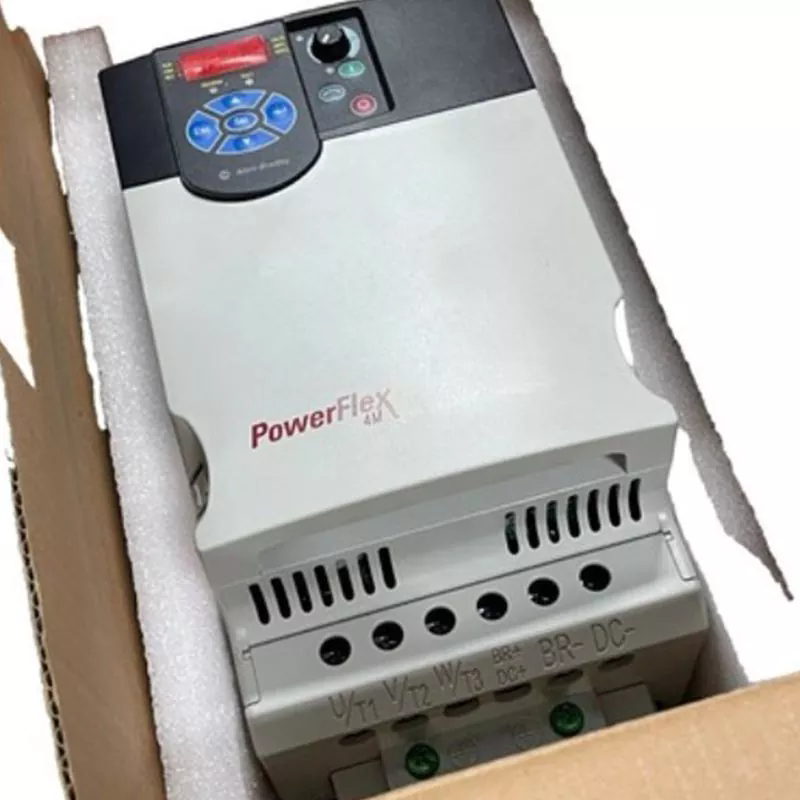
Yueyang Tongtu is a China-located industrial automation parts supplier with over 20 years of experience. We have physical stock of HIMA safety controllers, I/O modules, communication cards, and power supplies, supporting both active and discontinued models for replacement and planned maintenance.
HIMA Modules specializing in high-integrity safety instrumented systems (SIS). Unlike general-purpose PLCs, HIMA PLC Modules are purpose-built for safety-critical applications, with TÜV certification reaching SIL 3 or SIL 4 the highest levels defined under IEC 61508.
HIMA PLC Modules form the core of a safety instrumented system (SIS) designed to monitor and control potential hazards in industrial processes. The system architecture typically includes the following component categories:
We offers multiple safety controller series to accommodate different application scales and requirements:
| Series | Safety Level | Characteristics and Applications |
|---|---|---|
| HIMax | SIL 3, PL e | Modular system for medium to large applications; supports redundant configurations; suitable for process industries and rail transportation |
| HIMatrix | SIL 3, PL e | Compact system for time-critical applications and distributed installations such as machinery automation |
| HIQuad X | SIL 3 | High fault-tolerance system with scalable redundancy |
| Planar4 | SIL 4 | Hardwired system designed for the highest safety level (SIL 4) |
| H41q | SIL 3 (TÜV certified) | Compact, high-availability system suitable for small systems with limited I/O points |
| H51q | SIL 3 (TÜV certified) | Modular, high-availability system supporting distributed layouts and expansion up to 256 I/O modules |
A typical HIMA safety control system consists of the following core module types:
The CPU module executes the safety logic. If a discrepancy is detected between the two processors, the system enters a safe state. This architecture achieves SIL 3 certification while maintaining high availability.
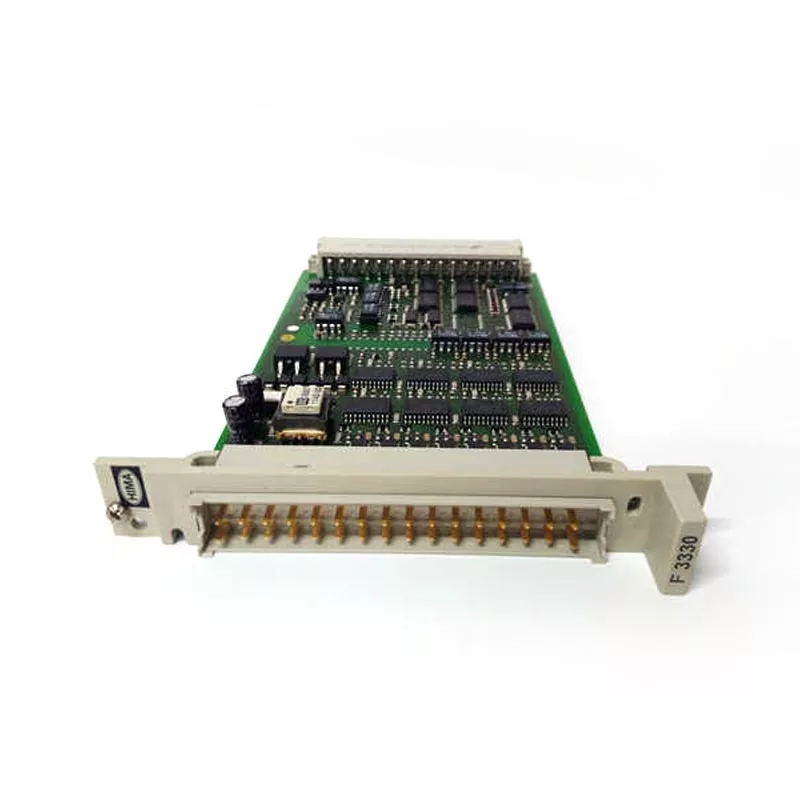
These connect field sensors and actuators to the controller. Digital input/output modules (such as F3330) and analog input/output modules are available. Redundancy can be implemented at the channel level or the module level, allowing the system to tolerate single faults without losing safety function.
Communication modules handle internal system communication and external network connectivity. HIMA's SafeEthernet protocol supports redundant communication paths if one path fails, the other takes over without interrupting system operation.
These supply power to the system, typically accepting 24V DC input. Redundant power configurations are supported to improve system availability.
The TMR (Triple Modular Redundancy) architecture ensures that no single point of failure can compromise the safety function. If one channel fails, the remaining channels continue to operate, and the system maintains full functionality.
HIMA's SafeEthernet protocol supports redundant communication paths. If one path fails, the other takes over without interrupting system operation.
All HIMA PLC Modules are TÜV-certified to meet IEC 61508 requirements. This certification is not merely a compliance exercise and it represents verification of the module's design, manufacturing, and testing processes against the most rigorous functional safety standards.
The system is highly configurable and can be customised according to specific customer requirements. This flexibility allows the Modules to serve different industries and application scenarios.
HIMA PLC Modules are deployed across industries where safety integrity is paramount:
Refineries, chemical plants, offshore platforms, and long-distance oil and gas pipelines. HIMA systems provide emergency shutdown (ESD), fire and gas detection, and high-integrity pressure protection (HIPPS) for these critical installations.
Complex production trains requiring high-reliability safety systems. The Modules monitor reactor conditions, manage emergency shutdown sequences, and enforce safety interlocks.
Power plants and nuclear facilities rely on HIMA safety systems for turbine control, boiler safety, and reactor protection. Planar4 systems are often specified for SIL 4 nuclear applications.
Railways and subways use HIMA safety systems for signalling, train control, and platform safety. HIMax systems are deployed in centralised traffic management centres; HIMatrix systems provide distributed safety logic at wayside installations.
Process safety for batch reactors, sterilisation systems, and hazardous material handling.
Q: What is the difference between HIMA PLC Modules and standard PLCs?
A: HIMA PLC Modules are safety PLCs designed for safety instrumented systems (SIS). They employ high redundancy, high fault tolerance, and TÜV certification to achieve SIL 3 or SIL 4 safety levels. Standard PLCs are not certified to these safety integrity levels and are not suitable for safety-critical applications.
Q: What safety integrity levels do HIMA PLC Modules support?
A: Depending on the series, HIMA systems support SIL 3 (HIMax, HIMatrix, H41q, H51q) or SIL 4 (Planar4) under IEC 61508. The specific series should be selected based on the SIL requirement of the application.
Q: Can this Module be used for emergency shutdown systems?
A: Yes. They are widely used in emergency shutdown (ESD), fire and gas (F&G) monitoring, high-integrity pressure protection (HIPPS), and burner management systems (BMS) across the oil, gas, and chemical industries.
Q: What is SafeEthernet and how does it improve system reliability?
A: SafeEthernet is HIMA's safety communication protocol, supporting redundant transmission paths between controllers and remote I/O. If one path fails, the other takes over without interruption, improving overall system availability.
Q: Can these Modules be expanded or upgraded after installation?
A: Yes. HIMax and H51q systems are modular and support expansion with additional I/O modules as requirements grow. Hardware and software upgrades can be implemented with appropriate planning and safety assessments.
Q: Are HIMA PLC Modules still in production?
A: Most HIMA series remain in production, with the exception of some older legacy models. Yueyang Tongtu maintains both active production models and discontinued models in physical stock. For specific availability, request a quote with the exact part number.
Q: What is the difference between H41q and H51q systems?
A: H41q is a compact system suitable for small applications with limited I/O points. H51q is a modular system supporting distributed layouts with expansion up to 256 I/O modules. Both are TÜV-certified to SIL 3. The H51q is better suited for larger, more distributed safety applications.