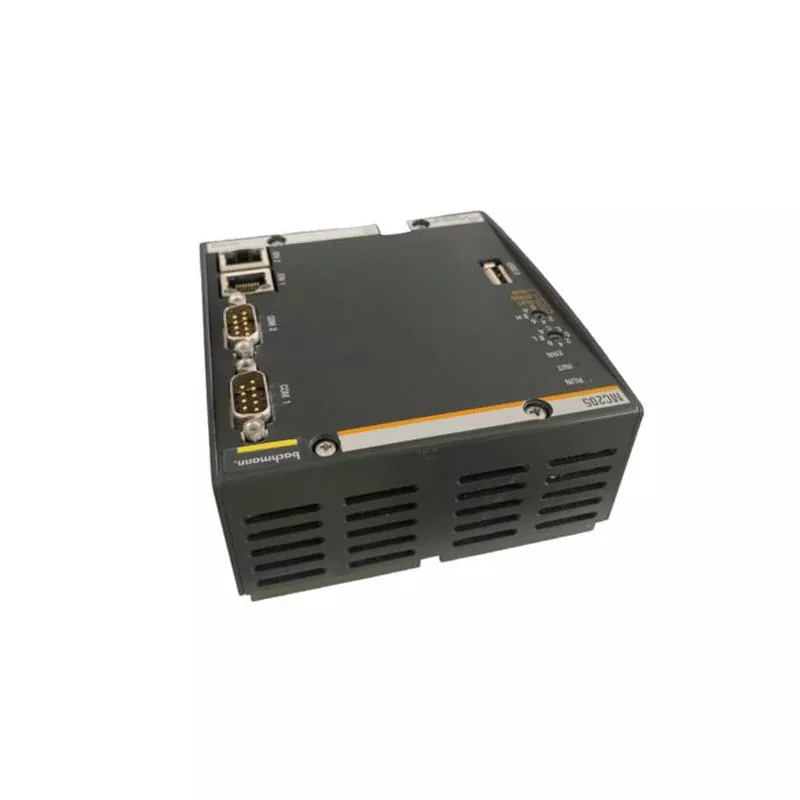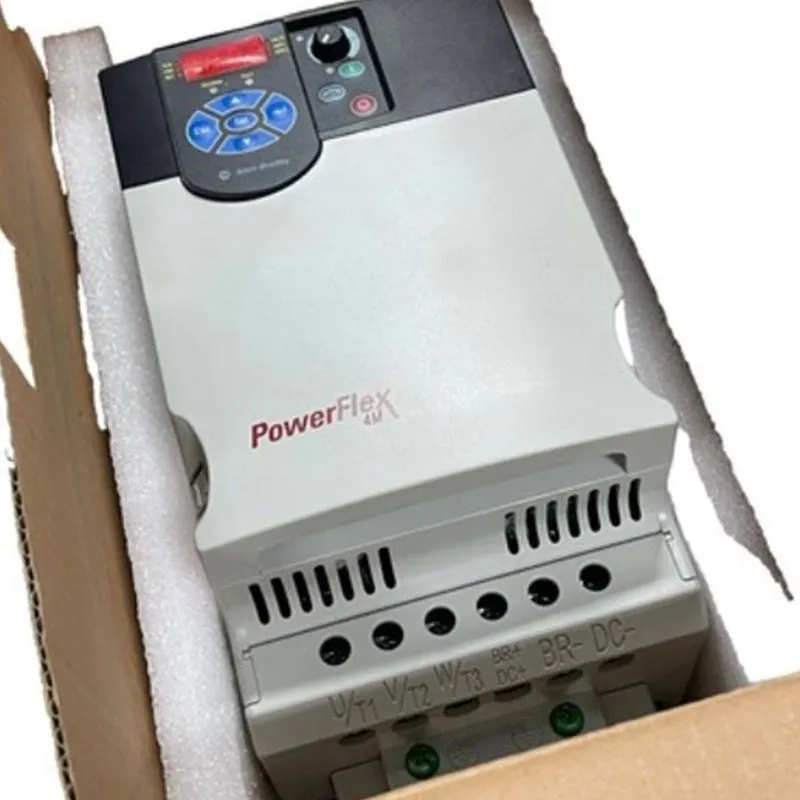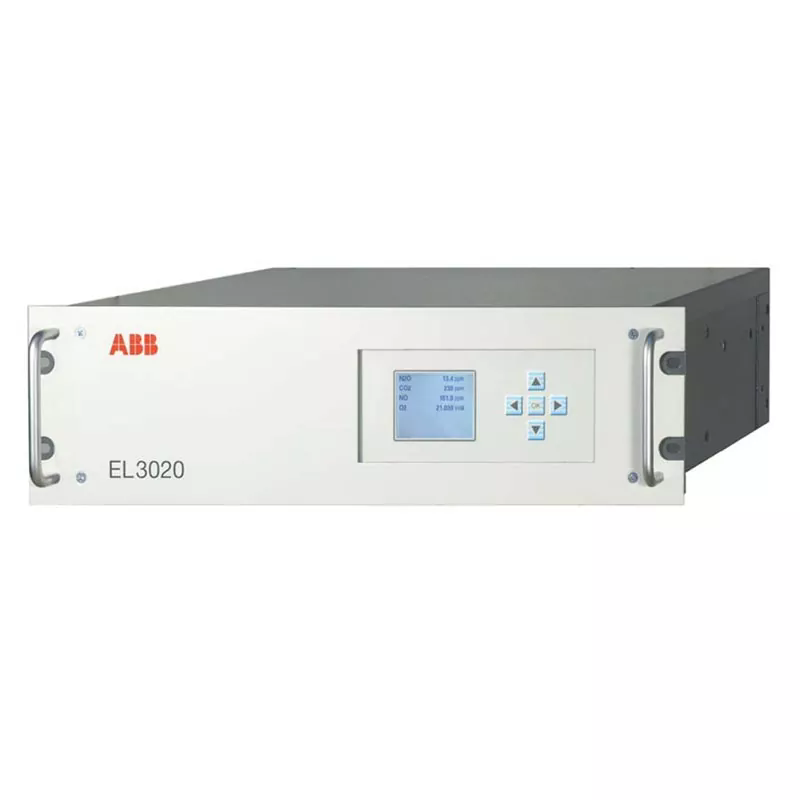

Abstract: Industrial automation procurement presents a persistent challenge: locating genuine, factory-original components for both active production lines and legacy systems that manufacturers no longer support. This article examines how a global sourcing specialist with more than two decades of commercial expertise addresses that challenge through verified supply networks, large-scale inventory, competitive direct-tier pricing, and worldwide logistics. From PLC modules and DCS spare parts to HMI panels and robotic system components, the discussion covers brand coverage, industry applications, and the end-to-end support model that keeps industrial operations running with minimal downtime.
Table of Contents
- Two Decades of Industrial Automation Expertise: How the Foundation Was Built
- Why Global Clients Choose This Supplier: Reliability, Inventory, Speed, Delivery
- Core Automation Systems: Brand and Platform Coverage
- Industries Served Across Heavy and Commercial Sectors
- From Inquiry to After-Sales: The End-to-End Client Support Model
- Frequently Asked Questions About Industrial Automation Sourcing
Two Decades of Industrial Automation Expertise: How the Foundation Was Built
Industrial automation supply is not a commodity business. The components that keep a petrochemical plant running, a steel mill producing, or a power generation facility operating are not interchangeable parts from a catalog. They are specific modules, drives, controllers, and safety systems manufactured by a handful of global brands, often discontinued long before the equipment they support reaches end of life.
Bridging the gap between global manufacturers and the industrial buyers who need those components requires more than a warehouse and a website. It requires a verified supply network, deep technical knowledge of automation platforms, and the operational infrastructure to move parts quickly across borders.
From Commercial Expertise to Global Sourcing Infrastructure
Over more than 20 years of commercial activity in industrial automation, a specific operational model has emerged: maintain a large-scale inventory of hard-to-find components, verify every part as 100% factory-original, and deliver globally through express and air freight logistics. This model serves international industrial buyers who cannot afford extended downtime while waiting for a part to be sourced, inspected, and shipped.
The supply network behind this model is extensive and verified. It includes channels for active product lines as well as obsolete system spare parts—components that original manufacturers may have discontinued years or decades ago but which remain critical to operating plants that have not yet migrated to newer platforms.
Bridging Manufacturers and Cost-Effective Automation Solutions
Global manufacturers produce automation hardware on schedules driven by current market demand. Industrial buyers, however, operate on timelines set by their installed base. A control module for a 15-year-old DCS may be needed immediately, even though the manufacturer stopped producing it a decade ago. The gap between production schedules and operational needs is where sourcing specialists create value.
By maintaining inventory and leveraging verified supply channels, a sourcing specialist ensures fast delivery and seamless technical compatibility—two requirements that are non-negotiable when a production line is down.
Why Global Clients Choose This Supplier: Reliability, Inventory, Speed, Delivery
The decision to source automation components from a specialist supplier rather than directly from an OEM or through a general distributor comes down to four practical factors. Each addresses a specific pain point in industrial procurement.
100% Factory-Original and Certified Products
Counterfeit automation components are a persistent risk in the secondary market. A counterfeit PLC module may function during initial testing but fail unpredictably under load, causing production losses far exceeding the cost of the part. Every component in a verified catalog—from active product lines to hard-to-find discontinued parts—undergoes rigorous inspection and is guaranteed 100% authentic and original.
This guarantee is not a marketing statement. It is an operational requirement. Industrial buyers specifying components for safety systems, process control, or critical machinery cannot accept the risk of unverified parts. The inspection process verifies authenticity, condition, and completeness before any component enters inventory.
Extensive In-Stock and Surplus Inventory
Inventory depth is the operational backbone of fast response. A supplier that must source every part after receiving an inquiry adds days or weeks to the delivery timeline. A supplier that maintains stock—particularly of hard-to-find modules—can dispatch immediately.
The inventory scope covers the component categories that industrial operations require most frequently:
- PLC modules: Processors, I/O cards, communication modules, power supplies, and rack components across major platforms
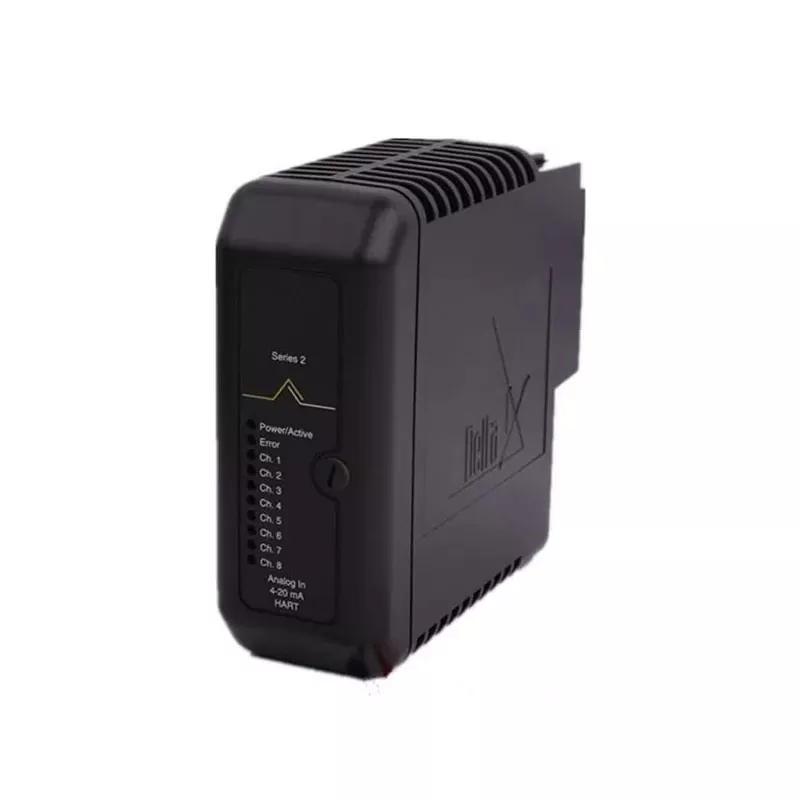
- DCS spare parts: Controllers, I/O assemblies, communication interfaces, and power components for distributed control systems
- Remote I/O units: Field-mounted I/O for distributed architectures
- HMI panels: Operator interface terminals and display units
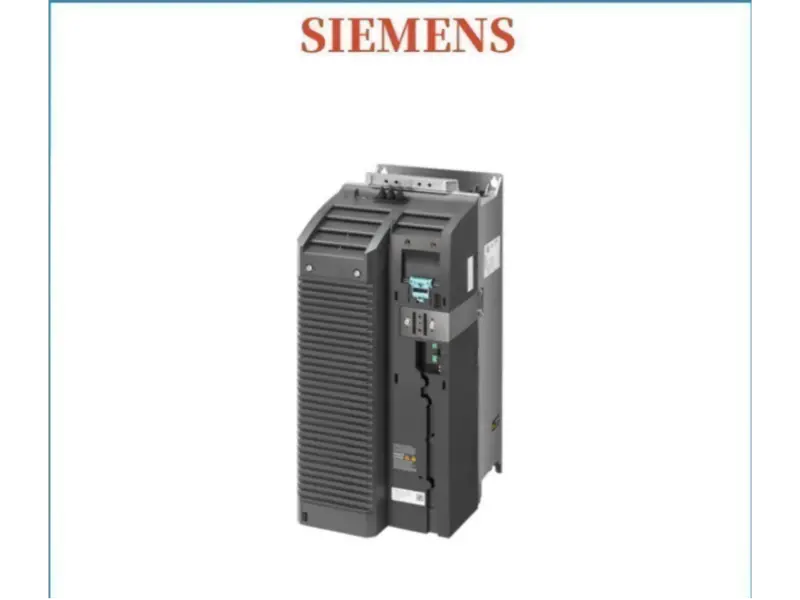
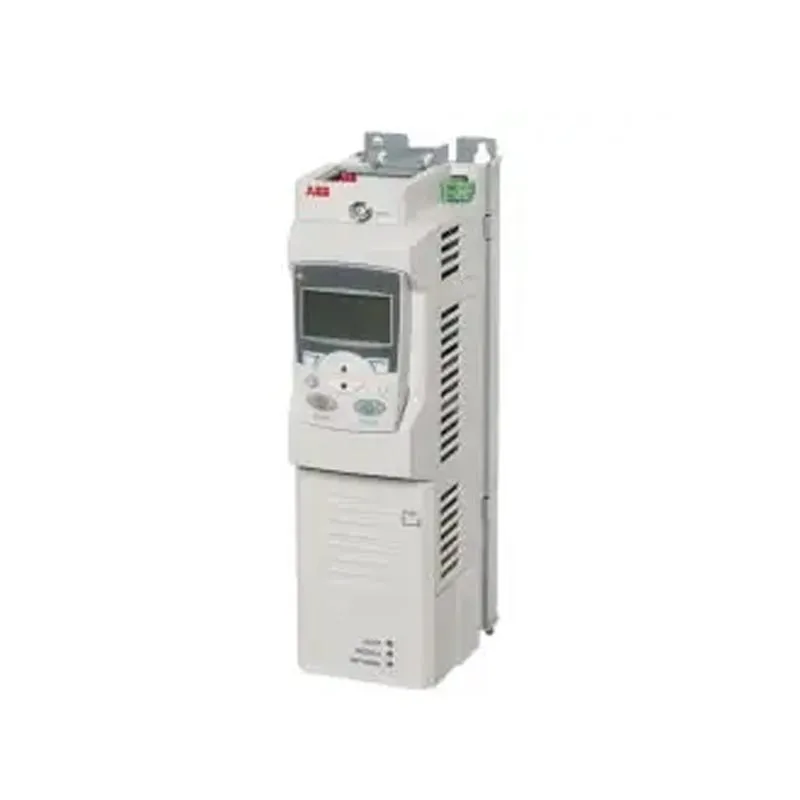
- Drive controllers: AC drives, DC drives, and servo controllers
- Robotic system components: Controllers, amplifiers, and peripheral hardware
This inventory is maintained in a state of readiness for immediate dispatch, eliminating the sourcing delay that would otherwise extend equipment downtime.
Competitive Sourcing and Fast Response
Industrial procurement timelines are often compressed by circumstances. A drive fails during a critical production run; a PLC module faults during a plant startup; a safety system component is damaged during maintenance. In these scenarios, the time between identifying a needed part number and receiving a quotation is itself a form of downtime.
The response model is straightforward: provide the target part number or model specification, and a dedicated sales engineering team delivers a fast quotation with competitive direct-tier market pricing. The engineering component matters—matching a part number to an application requires more than database lookup. Model revisions, firmware compatibility, and configuration differences must be verified to ensure the quoted component will function correctly in the target system.
Global Logistics and Express Delivery
Components sourced from an international supplier must traverse borders, clear customs, and reach the installation site without damage or delay. Logistics partnerships with premier international express carriers and air freight providers ensure safe, fast, and traceable shipping worldwide.
Traceability is particularly important for industrial buyers. A shipment of critical automation components in transit represents a liability until it is delivered and verified. Tracking visibility allows maintenance planners to coordinate installation resources and production schedules with confidence that the part will arrive when expected.
Operational impact: The combination of verified inventory, fast quotation, and reliable logistics directly addresses the most expensive variable in industrial maintenance: time. Reducing the interval between part identification and installation is the primary mechanism by which a sourcing specialist minimizes plant downtime.
Core Automation Systems: Brand and Platform Coverage
Industrial automation environments are rarely homogeneous. A single plant may operate Allen-Bradley PLCs on one production line, Siemens drives on another, and a Honeywell DCS overseeing the entire process. Effective sourcing requires coverage across the major automation platforms, not deep expertise in a single brand.
Programmable Logic Controllers and Modules
PLC platforms form the control foundation of discrete manufacturing and process automation. Component coverage spans the major international platforms:
| Brand | Platform Coverage | Component Categories |
|---|---|---|
| Allen-Bradley | ControlLogix, CompactLogix, SLC 500, PLC-5, MicroLogix | Processors, I/O modules, communication cards, power supplies, chassis |
| Siemens | S7-300, S7-400, S7-1200, S7-1500, ET 200 | CPUs, signal modules, communication processors, interface modules |
| GE Fanuc | Series 90-30, 90-70, VersaMax, RX3i | Controllers, I/O cards, communication modules, power supplies |
| Schneider Electric | Modicon Quantum, Premium, M340, M580 | Processors, I/O modules, communication interfaces, rack components |
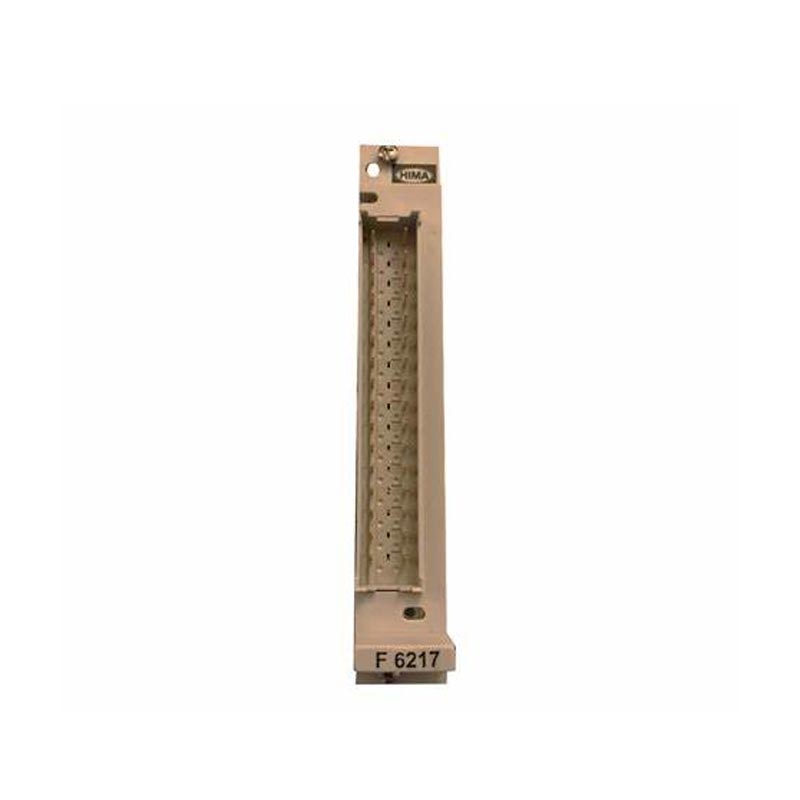
| Hima | HIMax, HIMatrix | Safety controllers, I/O modules, communication components |
Distributed Control Systems and Safety Systems
DCS platforms manage continuous and batch processes in industries where reliability and safety are paramount. Safety instrumented systems provide independent protection layers that must function with certified reliability. Component coverage includes:
- Honeywell: TDC 3000, Experion PKS, Safety Manager
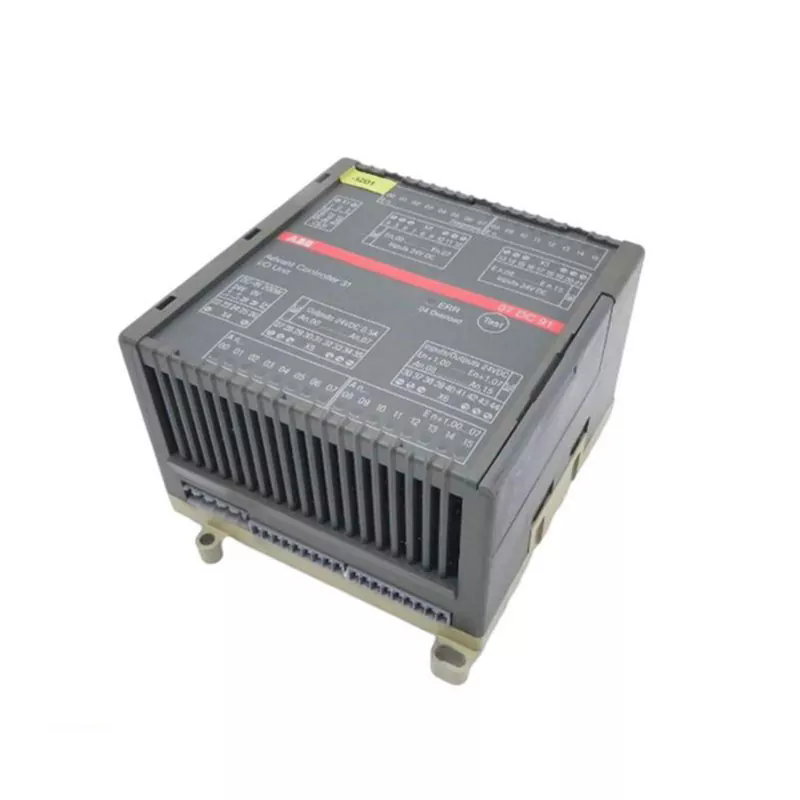
- ABB: Advant OCS, Symphony Plus, 800xA
- Invensys Triconex: Tricon, Trident, Tri-GP safety systems
- ICS Triplex: Trusted TMR safety systems
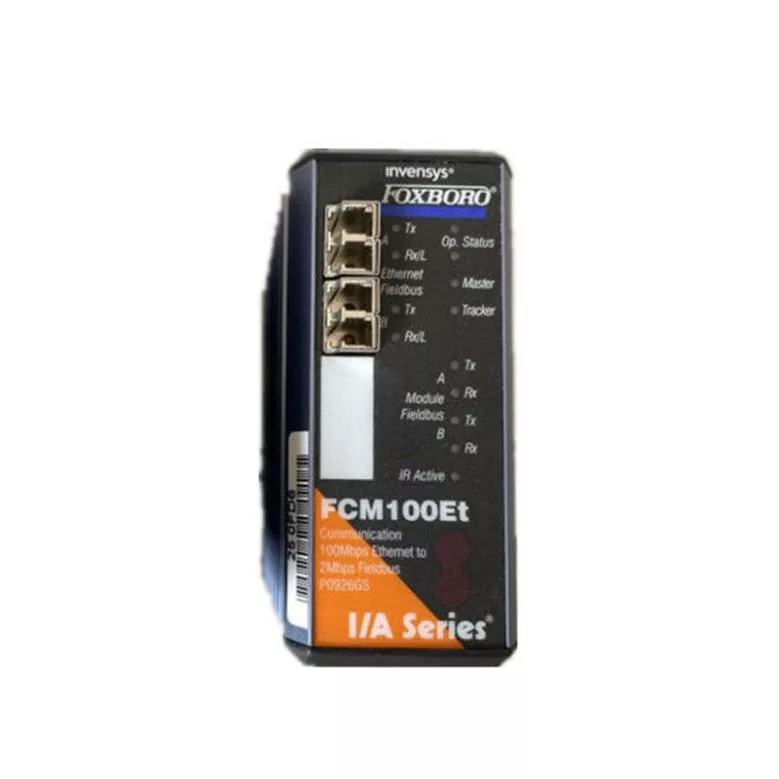
- Foxboro: I/A Series, EcoStruxure Foxboro DCS
- Yokogawa: CENTUM CS, CENTUM VP, ProSafe-RS
- Bently Nevada: 3500 series machinery protection systems
For facilities operating legacy DCS installations, the availability of spare parts is a critical operational constraint. Original manufacturers may continue supporting current platforms while discontinuing older generations, leaving plants with limited options for maintaining their installed systems. A sourcing specialist with verified inventory of obsolete system components addresses this gap directly.
HMI, Converters, and Robotics Hardware
Beyond controllers and I/O, the automation ecosystem includes operator interfaces, signal converters, and robotic system hardware. Component coverage in these categories supports:
- Human-machine interfaces: Panel-mounted displays, touchscreen terminals, and operator stations across major platforms
- Signal converters: Protocol converters, media converters, and signal conditioning modules
- Robotics hardware: Controllers, servo amplifiers, and peripheral components for industrial robotic systems
Industries Served Across Heavy and Commercial Sectors
The industries that depend on industrial automation components span the full range of heavy industry and commercial manufacturing. Each sector places specific demands on component reliability, certification, and availability.
Energy and Power Generation
Power generation facilities operate continuous processes where unplanned downtime carries consequences extending beyond the plant itself. Boiler control systems, turbine controls, and transmission infrastructure rely on automation components that must function reliably for decades. The obsolescence challenge is particularly acute in this sector, where plants designed 30 or 40 years ago may still be operating with their original control systems.
Oil, Gas, and Petrochemical Processing
Process industries require automation components certified for hazardous environments and capable of operating within safety instrumented system architectures. Emergency shutdown systems, fire and gas detection interfaces, and process control modules must meet stringent reliability requirements. Sourcing these components requires both inventory depth and technical verification of certification and compatibility.
Metallurgy, Steel, and Heavy Machinery
Heavy manufacturing environments subject automation components to extremes of temperature, vibration, and electrical noise. Drive controllers for rolling mills, PLC modules for process sequencing, and HMI panels for operator control all operate under conditions that accelerate wear and increase failure rates. The resulting demand for replacement components is continuous.
CNC Machining, Electronics, Automotive, and Plastics
Discrete manufacturing sectors rely on precision motion control, high-speed I/O, and reliable communication between controllers and drives. CNC machine tools, electronics assembly equipment, automotive production lines, and plastics processing machinery all depend on automation components that must be replaced quickly when they fail, because production schedules do not accommodate extended downtime.
Water Treatment, Municipal Infrastructure, and Process Manufacturing
Water treatment facilities, environmental engineering systems, and paper and textile manufacturing operations represent a mix of continuous and batch processes. Automation components in these sectors often operate in outdoor or unconditioned environments, facing temperature variations, humidity, and airborne contaminants that challenge long-term reliability.
| Industry Sector | Typical Automation Components | Sourcing Priority |
|---|---|---|
| Energy and Power Generation | Boiler controls, turbine controls, DCS modules | Legacy system spares, certified components |
| Oil, Gas, and Petrochemical | Safety controllers, process I/O, HMI panels | Hazardous area certification, SIS components |
| Metallurgy and Steel | Drive controllers, PLC modules, HMI terminals | Heavy-duty rated components, fast replacement |
| CNC and Discrete Manufacturing | Servo drives, motion controllers, I/O modules | Precision components, communication modules |
| Automotive Assembly | Robotic controllers, PLC systems, safety modules | Production-critical spares, fast delivery |
| Water Treatment | Process controllers, I/O units, communication equipment | Environmental-rated components, reliable supply |
| Paper and Textile | Drive systems, control modules, operator interfaces | Continuous process support, legacy parts |
From Inquiry to After-Sales: The End-to-End Client Support Model
Customer satisfaction in industrial automation supply extends beyond the point of delivery. A component that is technically correct but incompatible with the specific system revision in use, or that requires configuration that the buyer did not anticipate, creates a new set of problems. A support model that addresses these variables reduces the risk of post-delivery issues.
Pre-Purchase Compatibility Consultation
Before a quotation is issued or an order is placed, compatibility verification ensures that the proposed component will function correctly in the target application. This process considers model revisions, firmware versions, communication protocol compatibility, and physical form factor. For legacy systems where documentation may be incomplete, this verification step often requires drawing on experience with the platform in question.
Technical Verification and Model Matching
Part number matching is not always straightforward. Manufacturers may revise model numbers, introduce compatible replacements, or discontinue a product while offering a successor that requires wiring or configuration changes. Technical verification confirms that the component selected matches the requirement, not just the part number in a database.
Post-Delivery Support
After delivery, support continues through the installation and commissioning phase. Questions about wiring, configuration, or integration can be addressed by technical personnel familiar with the platform. For complex replacements, this support can reduce the time required for the component to become fully operational.
Yueyang Tongtu operates an end-to-end support model covering pre-purchase compatibility consultation, technical verification, and post-delivery support. The company's global sourcing network, large-scale inventory, and logistics partnerships are structured to ensure fast delivery and seamless technical compatibility for industrial buyers worldwide. For inquiries about specific components, model availability, or technical requirements, contact us to discuss your sourcing needs and receive a prompt response from our sales engineering team.
Frequently Asked Questions About Industrial Automation Sourcing
What types of automation components are available through this supply network?
The inventory covers PLC modules, DCS spare parts, remote I/O units, HMI panels, drive controllers, and robotic system components. Component categories span active product lines as well as obsolete and hard-to-find discontinued parts for legacy systems.
How is the authenticity of components verified?
Every component undergoes rigorous inspection and is guaranteed 100% authentic and original. The verification process checks authenticity, condition, and completeness before any component enters inventory.
Which automation brands are covered?
Coverage includes Allen-Bradley, Siemens, GE Fanuc, Schneider Electric, and Hima for PLC and module categories; Honeywell, ABB, Invensys Triconex, ICS Triplex, Foxboro, Yokogawa, and Bently Nevada for DCS and safety systems; plus HMI, converter, and robotics hardware across major platforms.
Can obsolete or discontinued components be sourced?
Yes. A significant portion of the supply network is dedicated to obsolete system spare parts and hard-to-find control modules that original manufacturers may no longer produce. These components support plants operating legacy automation systems that remain in service.
What information is needed to receive a quotation?
Provide the target part number or model specification. Additional details such as the application environment, system compatibility requirements, and any known model revisions help ensure accurate matching and a fast quotation.
How quickly can components be shipped?
In-stock components are ready for immediate dispatch. Global logistics partnerships with premier international express carriers and air freight providers ensure safe, fast, and traceable shipping worldwide.
Is technical support available after delivery?
Yes. Post-delivery support covers installation, configuration, and integration questions. Technical personnel familiar with the relevant automation platform can assist with verification and commissioning.
Looking for genuine, factory-original automation components for an active line or a legacy system?
Contact Us Today