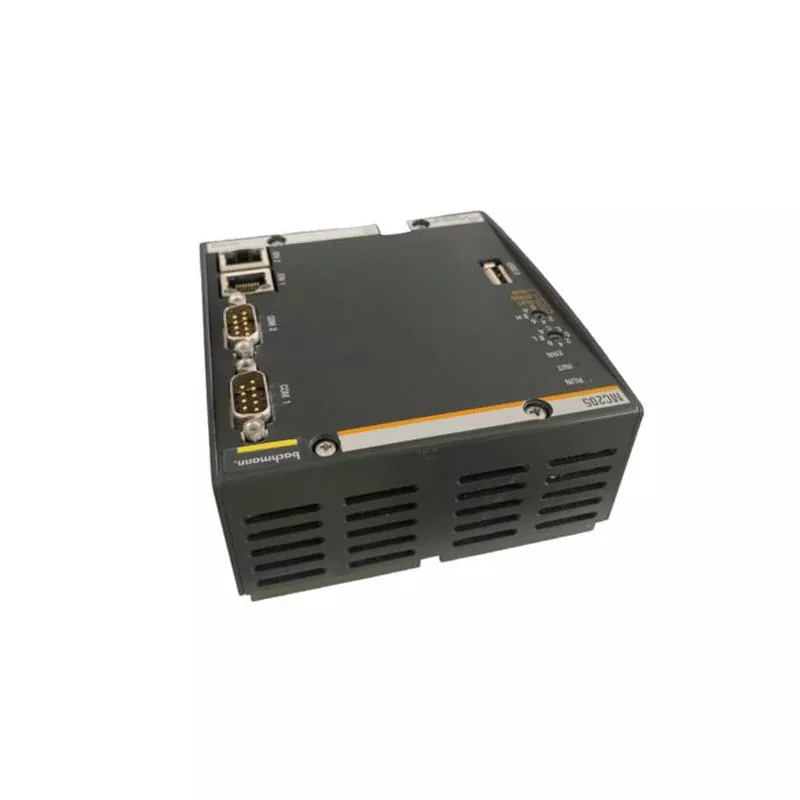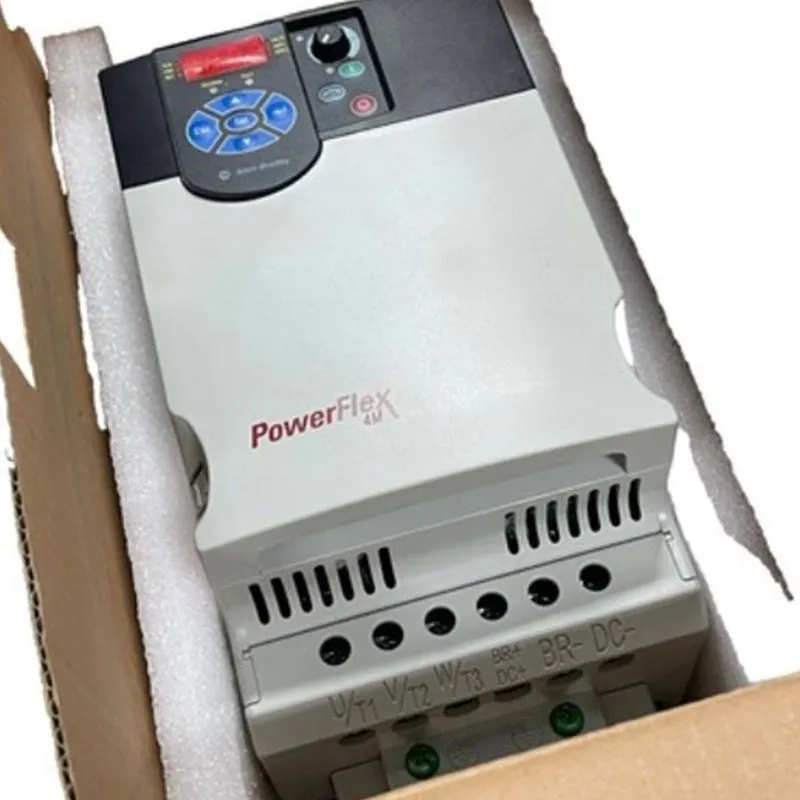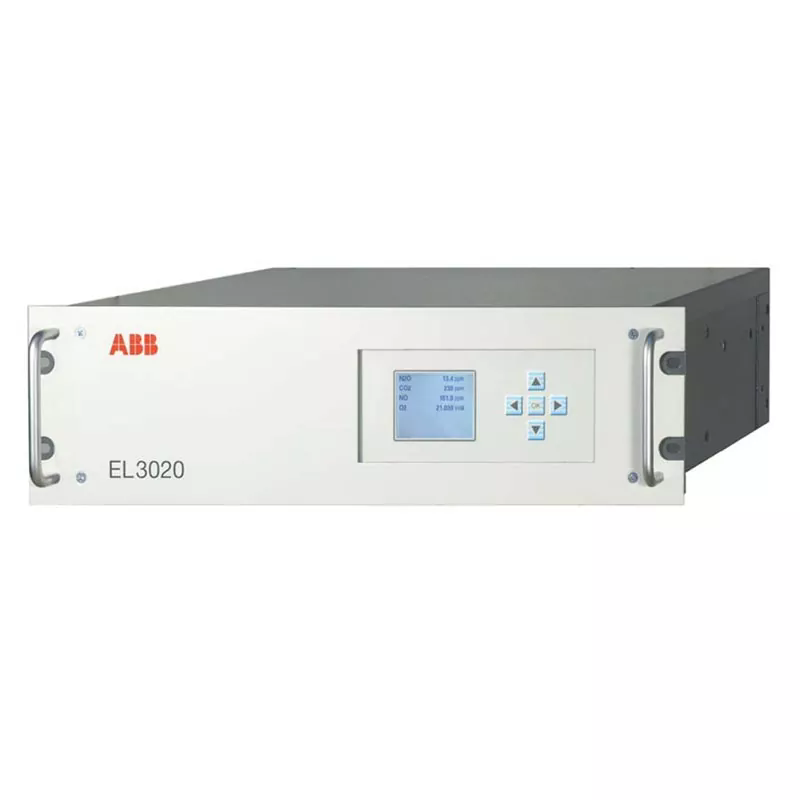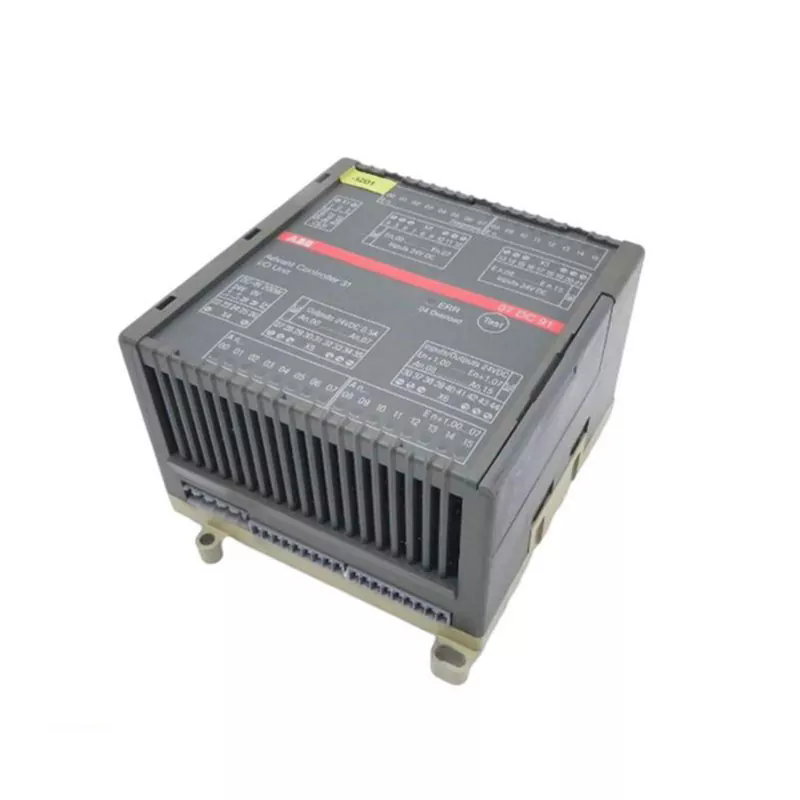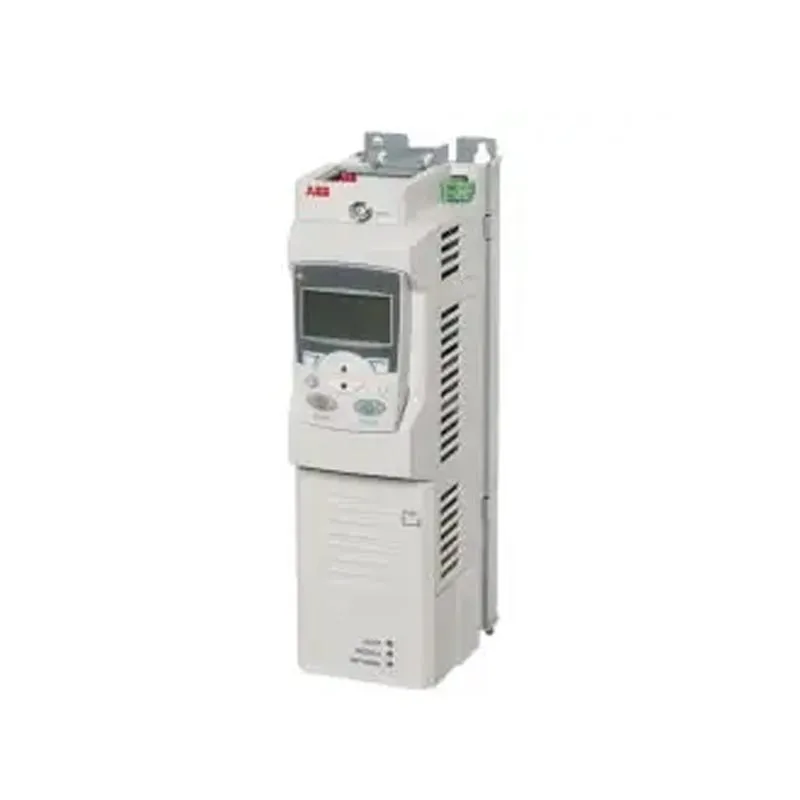
In a continuous process plant, a single ABB PLC controls the entire production line. It reads hundreds of sensors, executes complex control logic, and commands dozens of actuators. The PLC is connected to a network of remote I/O modules, drives, and an HMI. If that network fails, the PLC loses visibility and control of the process. The line stops. For a procurement engineer or a plant manager, the question is not whether the network will fail; it is a question of when. Cables get damaged, switches fail, and connectors loosen. Network redundancy is the engineering strategy that prevents these failures from causing downtime. It provides a second, independent path for data to travel. If one path fails, the other takes over automatically, and the ABB PLC continues to operate without interruption.
The purpose of this guide is to help procurement engineers, system integrators, and plant managers understand how network redundancy prevents ABB PLC downtime events and how to specify the right redundancy solution for their application. We will cover the different types of network redundancy, the protocols that enable them, the key specifications to look for, and the criteria for evaluating a supplier. We will also provide detailed product specifications from our factory at Yueyang Tongtu E-commerce Co., Ltd. Whether you are designing a new ABB PLC system or upgrading an existing one, this guide will give you the technical foundation you need to make a confident purchasing decision.
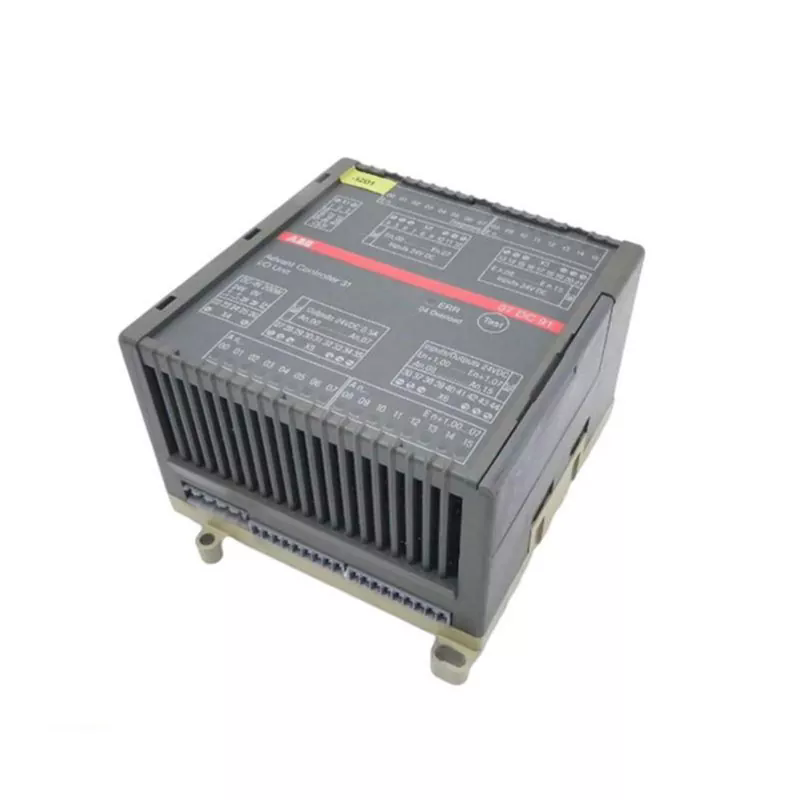
Network redundancy is the practice of designing a network with multiple paths for data to travel between devices. If one path fails, the data is automatically rerouted through an alternate path. For an ABB PLC system, redundancy can be applied at several levels: the network infrastructure (cables, switches), the PLC itself (redundant CPU), the power supply, and the I/O. The goal is to eliminate single points of failure. A single point of failure is any component whose failure will cause the entire system to stop. In a non-redundant network, a single broken cable or a failed switch can bring down the entire ABB PLC system. In a redundant network, the failure of one component is detected, and the system continues to operate using the backup path. The table below summarizes the levels of redundancy and their impact on downtime prevention.
| Redundancy Level | What Is Duplicated | Failure Addressed | Impact on ABB PLC Downtime |
| Media Redundancy | Cables and switches | Cable break, switch failure | Prevents network loss |
| PLC Redundancy | CPU and power supply | CPU failure, power failure | Prevents controller loss |
| I/O Redundancy | I/O modules and wiring | Module failure, wiring fault | Prevents I/O loss |
| Power Redundancy | Power supplies and feeds | Power supply failure | Prevents power loss |
At Yueyang Tongtu E-commerce Co., Ltd., our factory supplies ABB PLC systems and the network components that support redundancy. We understand that redundancy is not a luxury; it is a requirement for critical applications. Our technical team can help you design a redundant network architecture that meets your availability requirements and your budget.
Several network topologies can be used to provide redundancy for ABB PLC systems. The choice of topology depends on the size of the network, the required recovery time, and the cost. The most common redundant topologies are the ring topology, the dual-star topology, and the mesh topology. In a ring topology, the devices are connected in a closed loop. If a cable in the ring is broken, the data can still reach all devices by traveling the other way around the ring. The ring topology is simple and cost-effective. In a dual-star topology, each device is connected to two separate switches. If one switch fails, the device can still communicate through the other switch. The dual-star topology provides faster recovery and higher availability. In a mesh topology, every device is connected to multiple other devices. This provides the highest level of redundancy but is also the most complex and expensive. The table below compares these topologies.
| Topology | Redundancy Level | Recovery Time | Cost | Typical Application |
| Ring | Media redundancy | 200 ms - 500 ms | Low | Small to medium networks |
| Dual-Star | Switch and media redundancy | < 100 ms | Medium | Medium to large networks |
| Mesh | Full path redundancy | < 50 ms | High | Critical, large networks |
At our factory, we supply the components for all these topologies, including managed switches, redundant power supplies, and media converters. We work with our customers to select the topology that best meets their availability requirements and budget. Our engineering team can provide network design assistance and configuration support.
The redundancy in an ABB PLC network is enabled by specific protocols that manage the detection of failures and the rerouting of data. The most common protocols are RSTP (Rapid Spanning Tree Protocol), MRP (Media Redundancy Protocol), and PRP (Parallel Redundancy Protocol). RSTP is a standard Ethernet protocol that prevents loops and provides fast recovery from link failures. MRP is a protocol specifically designed for ring topologies. It provides recovery times of 200-500 ms. PRP is a protocol that sends duplicate data over two independent networks. It provides seamless redundancy with zero recovery time. The choice of protocol depends on the required recovery time and the topology. The table below summarizes these protocols.
| Protocol | Standard | Recovery Time | Topology | Typical Application |
| RSTP | IEEE 802.1w | < 1 second | Any | General industrial networks |
| MRP | IEC 62439-2 | 200 - 500 ms | Ring | ABB PLC ring networks |
| PRP | IEC 62439-3 | Zero (seamless) | Dual-star | Critical, high-availability applications |
At Yueyang Tongtu E-commerce Co., Ltd., we supply ABB PLC systems and network components that support RSTP, MRP, and PRP. Our technical team can help you select the right protocol for your application and configure the network for optimal performance. We also provide training and support to help your team maintain the redundant network.
When purchasing network redundancy components for an ABB PLC system, buyers should consider several key specifications. These include the recovery time, the number of ports, the managed features, the operating temperature range, and the certifications. The recovery time is the most important specification for redundancy. It determines how quickly the network recovers from a failure. For critical applications, a recovery time of less than 100 ms is recommended. The number of ports determines how many devices can be connected. The managed features, such as VLAN support, SNMP monitoring, and port mirroring, determine the level of control and visibility. The operating temperature range determines whether the switch can be used in harsh environments. The certifications, such as UL, CE, and IEC 61850, determine whether the switch meets industry standards. The table below summarizes these specifications.
| Specification | Typical Range | Importance for ABB PLC Redundancy |
| Recovery Time | < 50 ms to < 1 s | Determines downtime prevention |
| Number of Ports | 8 - 24 | Determines device connectivity |
| Managed Features | VLAN, SNMP, QoS, Port Mirroring | Enables network control and monitoring |
| Operating Temperature | -40°C to +75°C | Determines suitability for harsh environments |
| Certifications | UL, CE, IEC 61850 | Ensures compliance with standards |
| Power Supply | Redundant, 24 VDC | Prevents power-related failures |
At our factory, we supply network switches and components that meet these specifications. We can help you select the right switch for your ABB PLC network and provide configuration support. Our goal is to provide our customers with a complete, reliable redundancy solution.
Evaluating a supplier of network redundancy solutions for ABB PLC systems is as important as evaluating the product itself. The supplier's technical knowledge, product range, and support capabilities determine whether you will receive a solution that works and whether you will receive the support you need. The key criteria for evaluating a supplier are technical expertise, product range, configuration support, delivery performance, and after-sales support. Technical expertise includes knowledge of ABB PLC systems and network protocols. Product range includes the availability of switches, cables, and accessories. Configuration support includes the ability to design and configure the redundant network. Delivery performance includes the ability to meet lead times. After-sales support includes the availability of technical support and spare parts. The table below summarizes these criteria.
| Evaluation Criterion | What to Look For | Why It Matters |
| Technical Expertise | Knowledge of ABB PLC and network protocols | Ensures correct solution design |
| Product Range | Switches, cables, accessories | Provides a complete solution |
| Configuration Support | Network design and configuration services | Ensures the redundancy works as intended |
| Delivery Performance | On-time delivery record | Keeps your project on schedule |
| After-Sales Support | Technical support, spare parts | Ensures long-term reliability |
At Yueyang Tongtu E-commerce Co., Ltd., we have the technical expertise, the product range, and the support capabilities to be your partner for ABB PLC network redundancy. Our factory supplies a wide range of managed switches, cables, and accessories. Our technical team can design and configure your redundant network. And our after-sales support ensures that you have the help you need when you need it. We invite you to evaluate us against these criteria.
The following table provides the key product parameters for the network redundancy components we supply for ABB PLC systems. These components are designed for industrial environments and are compatible with ABB PLC platforms. Our factory can also provide custom configurations to meet specific project requirements.
| Parameter | Specification Range | Notes |
| Switch Type | Managed, Layer 2 / Layer 3 | For redundancy and VLAN |
| Number of Ports | 8, 16, 24 | Copper and fiber options |
| Redundancy Protocols | RSTP, MRP, PRP | Selected based on topology |
| Recovery Time | < 50 ms to < 1 s | Depends on protocol and topology |
| Operating Temperature | -40°C to +75°C | Industrial grade |
| Power Supply | 24 VDC, redundant | For power redundancy |
| Certifications | UL, CE, IEC 61850 | Compliance with standards |
| Mounting | DIN Rail | Standard industrial mounting |
At our factory, we supply network redundancy components that meet these specifications and more. We can customize the configuration to suit your specific ABB PLC network. Our engineering team can assist with the selection process and provide detailed technical data for your project.
Question 1: What is the difference between RSTP and MRP for ABB PLC networks?
Answer: RSTP (Rapid Spanning Tree Protocol) is a general-purpose Ethernet protocol that provides fast recovery from link failures in any topology. MRP (Media Redundancy Protocol) is a protocol specifically designed for ring topologies, with recovery times of 200-500 ms. MRP is often used in ABB PLC networks because it is optimized for ring configurations. The choice depends on your network topology and recovery time requirements.
Question 2: How much does network redundancy cost for an ABB PLC system?
Answer: The cost of network redundancy depends on the topology, the number of devices, and the level of redundancy required. A simple ring topology with MRP may add 15-25% to the cost of the network infrastructure. A dual-star topology with PRP may add 30-50%. However, the cost of redundancy is often small compared to the cost of a single downtime event. Our factory can provide a quote based on your specific requirements.
Question 3: Can I add redundancy to an existing ABB PLC network?
Answer: Yes, in many cases you can add redundancy to an existing ABB PLC network. This may involve adding a second switch, reconfiguring the network to a ring topology, or upgrading to managed switches that support redundancy protocols. The feasibility depends on the existing network architecture and the ABB PLC model. Our engineering team can evaluate your network and recommend the best approach.
Question 4: What is the difference between media redundancy and PLC redundancy?
Answer: Media redundancy protects the network infrastructure (cables and switches) from failure. PLC redundancy protects the controller (CPU and power supply) from failure. Media redundancy ensures that the ABB PLC can still communicate with remote devices if a cable or switch fails. PLC redundancy ensures that the control program continues to execute if the primary CPU fails. Both are important for maximizing availability.
Question 5: How do I test a redundant network to ensure it works?
Answer: To test a redundant network, you should simulate a failure by disconnecting one of the redundant paths (e.g., unplugging a cable or powering down a switch) and verifying that the network continues to operate without interruption. You should also verify that the recovery time meets your requirements. Regular testing and monitoring are recommended to ensure that the redundancy remains functional. Our factory can provide testing and commissioning support.
Network redundancy is a critical strategy for preventing ABB PLC downtime events. By providing multiple paths for data to travel, redundancy eliminates single points of failure and ensures that the control system continues to operate even when a component fails. The choice of topology and protocol determines the level of redundancy and the recovery time. At Yueyang Tongtu E-commerce Co., Ltd., our factory has the expertise and the product range to help you design and implement a redundant network for your ABB PLC system. We supply managed switches, cables, and accessories that support RSTP, MRP, and PRP. Our technical team can assist with network design, configuration, and testing. Our goal is to help our customers achieve the highest levels of availability and reliability.
Whether you are building a new ABB PLC system or upgrading an existing one, we invite you to contact us to discuss your redundancy requirements. We can provide product selection assistance, technical documentation, and after-sales support. Our commitment to quality and customer satisfaction has made us a trusted partner for industrial automation around the world.
Contact Yueyang Tongtu E-commerce Co., Ltd. today to discuss your ABB PLC network redundancy requirements and discover how our solutions can prevent downtime events.